
In the world of oil and gas, everything depends on reliability. Imagine a pipeline stretching hundreds of kilometers, carrying crude oil or natural gas under extreme pressure and temperature. One weak point can lead to massive losses, environmental hazards, and safety risks.
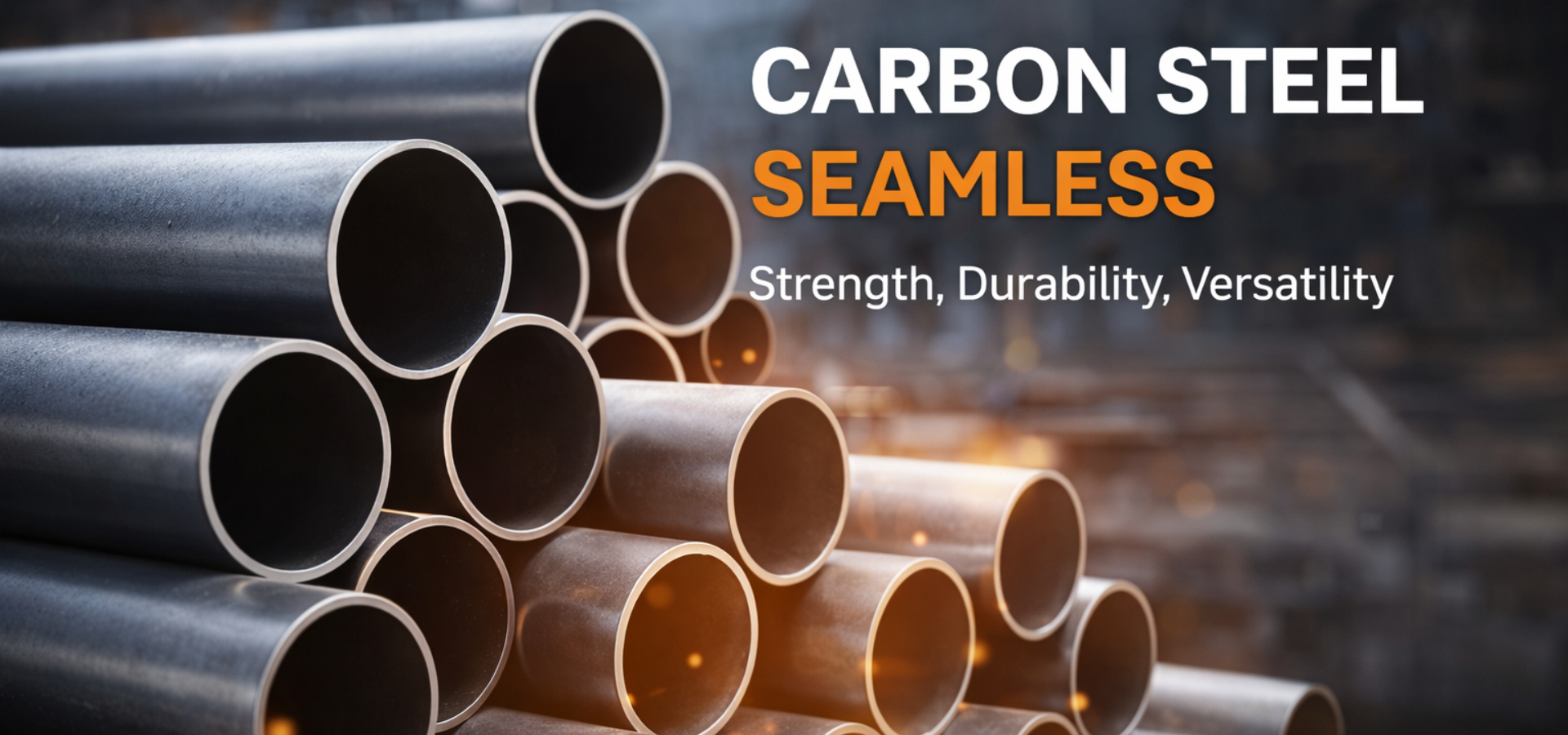
This is where carbon steel seamless pipes become the backbone of the industry.
In this guide, we’ll break down everything you need to know—from corrosion challenges to pipe types—so you can make informed, practical decisions for your projects with South India Tubes.
Understanding the Role of Seamless Pipes in Oil & Gas
Unlike welded pipes, seamless pipes are manufactured without joints. This gives them uniform strength, higher pressure tolerance, and better resistance to failure.
Real-World Scenario
Think of an offshore oil rig where pipelines are exposed to saltwater, pressure fluctuations, and temperature extremes. A welded joint could become a weak spot—but a seamless pipe maintains consistency throughout.
Pro Tip
Always choose seamless pipes for critical applications like high-pressure transport, offshore drilling, and refineries.
Corrosion: The Biggest Enemy of Pipelines
Corrosion is one of the most dangerous challenges in the oil and gas industry. It silently damages pipelines from within, leading to leaks or even catastrophic failures.
What Causes Corrosion?
- Moisture and oxygen exposure
- Chemical reactions with transported fluids
- Microbial activity
- Harsh environmental conditions
Why Carbon Steel Seamless Pipes Work
Carbon steel seamless pipes from South India Tubes offer:
- Strong mechanical properties
- Reduced internal deposits (smooth surface)
- Improved resistance to corrosion when properly treated
Pro Tip
For long-term performance, combine carbon steel pipes with coatings or cathodic protection systems in highly corrosive environments.
Types of Seamless Pipes Used in Oil & Gas
Choosing the right material is crucial. Each type of seamless pipe is designed for specific conditions.
1. Carbon Steel Seamless Pipes
- Ideal for transporting oil, gas, and hydrocarbons
- High strength and cost-effective
- Widely used across upstream and downstream sectors
Best For: Pipelines, refineries, general industrial use
Pro Tip:
Use carbon steel pipes where strength + affordability is the priority.
2. Alloy Steel Seamless Pipes
- Enhanced with chromium, molybdenum
- Withstand high temperatures and pressure
Best For: Refineries and petrochemical plants
Pro Tip:
Choose alloy steel when dealing with extreme heat and pressure conditions.
3. Stainless Steel Seamless Pipes
- Excellent corrosion resistance
- Low maintenance and long life
Best For: Offshore rigs, marine environments
Pro Tip:
Invest in stainless steel for moisture-heavy or chemical exposure areas.
4. Duplex & Super Duplex Pipes
- Superior strength + corrosion resistance
- Resistant to chloride stress cracking
Best For: Subsea pipelines and offshore applications
Pro Tip:
Use duplex pipes in saltwater environments for maximum durability.
5. Nickel Alloy Seamless Pipes
- Exceptional resistance to heat and chemicals
- Performs in extreme industrial conditions
Best For: Chemical plants, high-temperature operations
Pro Tip:
Choose nickel alloys when standard steel cannot handle the environment.
Common Grades of Seamless Pipes (Industry Standards)
Understanding pipe grades helps in selecting the right material for specific applications.
ASTM A53
- Versatile and widely used
- Suitable for oil, gas, and water transport
Pro Tip:
A53 is a go-to option for general-purpose pipelines.
A106 (High-Temperature Specialist)
- Designed for high-pressure and high-temperature use
- Reliable in power plants and refineries
Pro Tip:
Use A106 for boilers, heat exchangers, and high-heat systems.
A333 (Low-Temperature Expert)
- Performs in cryogenic conditions
- Maintains toughness in extreme cold
Pro Tip:
Essential for LNG and low-temperature operations.
API 5L (Industry Standard for Oil & Gas)
- Specifically designed for oil and gas transport
- Available in grades like X42, X52, X60, X70
Pro Tip:
Always choose API 5L pipes for long-distance pipeline projects.
Key Features of Seamless Pipes for Oil & Gas
Seamless pipes from South India Tubes are engineered to meet the toughest demands.
1. High Resistance to Pressure & Temperature
- Handles extreme industrial conditions
- Ensures safe fluid transport
2. Exceptional Strength & Durability
- No welded joints = fewer weak points
- Long service life
3. Superior Corrosion Resistance
- Ideal for harsh environments
- Reduces maintenance costs
4. Smooth Internal Surface
- Better flow efficiency
- Less clogging and deposits
5. Precision Dimensions (OD & ID)
- Accurate fit in complex systems
- Improves system performance
6. Flexibility in Design (Ease of Bending)
- Supports complex pipeline layouts
- Simplifies installation
7. Resistance to Cracking & Damage
- Uniform structure prevents failure
- Reliable in high-stress conditions
Pro Tip
Always evaluate pipes based on:
- Operating temperature
- Pressure conditions
- Environmental exposure
- Fluid type
This ensures optimal performance and cost efficiency.
Why Choose South India Tubes?
When it comes to critical industries like oil and gas, the quality of materials directly impacts performance and safety.
South India Tubes delivers:
- Precision-engineered seamless pipes
- Consistent quality across grades
- Reliable performance in extreme conditions
- Solutions tailored for industrial applications
Final Thoughts: Making the Right Choice
Selecting the right seamless pipe is not just a technical decision—it’s a strategic one.
From corrosion resistance to pressure handling, every factor plays a role in ensuring:
- Safety
- Efficiency
- Long-term durability
By choosing the right type and grade of carbon steel seamless pipes, and partnering with trusted manufacturers like South India Tubes, you can build systems that perform reliably for decades.


