
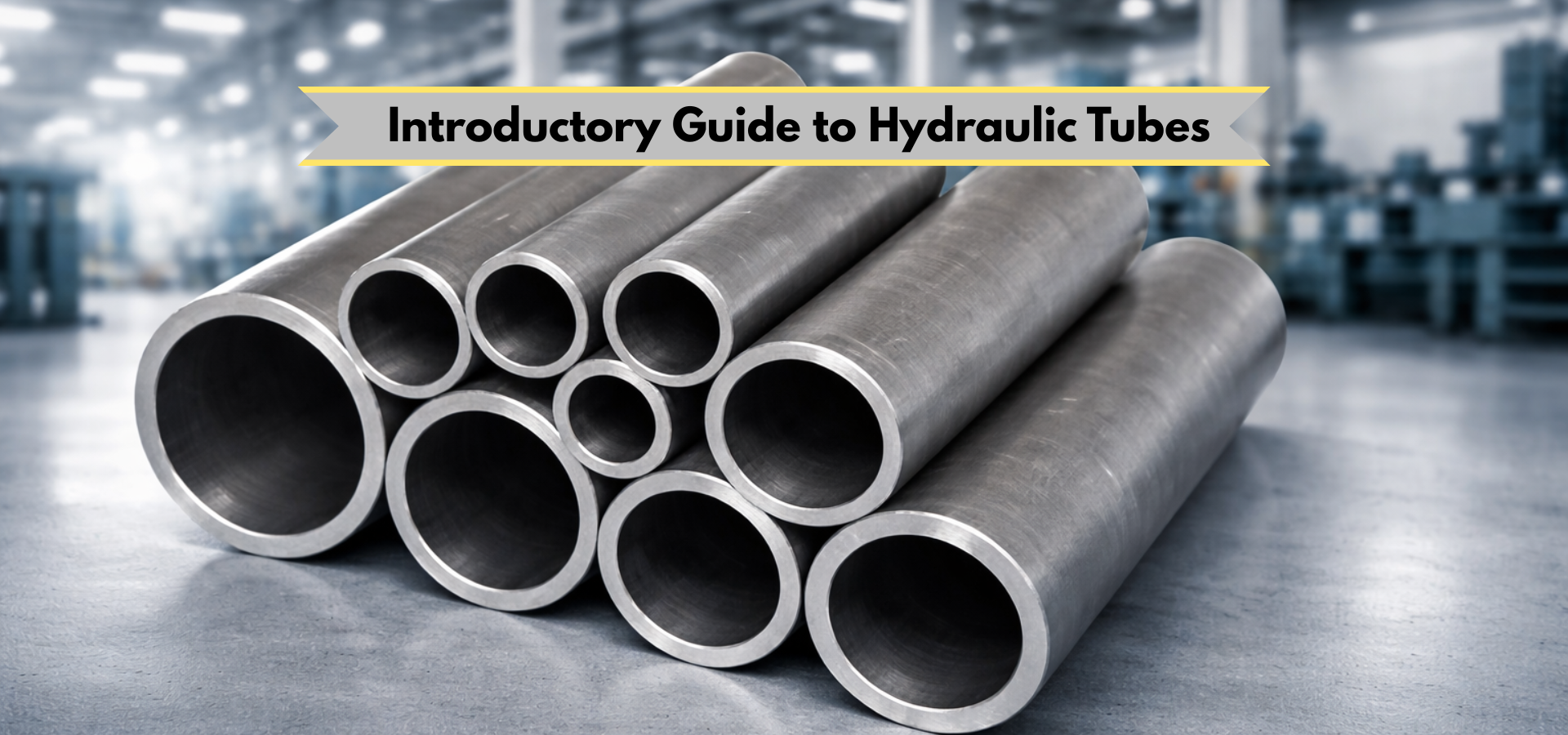
Hydraulic systems quietly power the modern world—from construction sites and factories to vehicles and aircraft. At the heart of these systems lies one critical component: hydraulic tubes.
If you’ve ever wondered why some hydraulic systems run smoothly for years while others fail prematurely, the answer often comes down to choosing the right tube, material, and specifications.
This guide breaks everything down in a simple, practical, and SEO-optimized way—so whether you're an engineer, procurement manager, or business owner, you can make better decisions for your operations.
What Are Hydraulic Tubes?
Hydraulic tubes are precision-engineered cylindrical components designed to carry hydraulic fluid under high pressure from one part of a system to another.
Think of them as the arteries of a hydraulic system—if they fail, the entire system stops.
Real-World Example
Imagine a construction excavator lifting tons of soil. That powerful movement happens because hydraulic fluid is transmitted through tubes under high pressure. If the tube is weak or incorrectly sized, it can burst—causing downtime, safety risks, and costly repairs.
Hydraulic Tubes vs Pipes vs Hoses
- Pipes: Used for long-distance fluid transport; less precision-focused
- Tubes: Designed for high pressure + accuracy + durability
- Hoses: Flexible but prone to wear and tear over time
Pro Tip:
For systems where precision, pressure handling, and long-term reliability matter, always choose hydraulic tubes over hoses.
The Basics of Hydraulic Tubes
1. Material Composition
The material of hydraulic tubes directly impacts their performance and lifespan.
Common Materials
- Carbon Steel Hydraulic Tubes
- High strength
- Cost-effective
- Ideal for general industrial applications
- Stainless Steel Hydraulic Tubes
- Excellent corrosion resistance
- Suitable for harsh environments (marine, chemical, food industries)
Real Scenario
A food processing plant switched from carbon steel to stainless steel tubes to avoid contamination and corrosion. Result? Lower maintenance costs and longer system life.
Pro Tip:
- Use carbon steel for standard applications
- Use stainless steel where moisture, chemicals, or hygiene matter
2. Types of Hydraulic Tubes
Seamless Hydraulic Tubes
- Manufactured without joints
- Higher strength and pressure resistance
- Ideal for critical applications
Welded Hydraulic Tubes
- Made by welding metal sheets
- More affordable
- Suitable for low-pressure systems
Real Scenario
A heavy machinery manufacturer experienced repeated failures using welded tubes. After switching to seamless tubes, breakdowns reduced significantly.
Pro Tip:
If your system handles high pressure or critical operations, always choose seamless hydraulic tubes.
Size and Dimensions: Why Accuracy Matters
Hydraulic tubes are defined by three key measurements:
- Outer Diameter (OD): Determines fitting compatibility
- Inner Diameter (ID): Controls fluid flow rate
- Wall Thickness: Determines pressure resistance
Real-World Insight
A system with incorrect inner diameter may face:
- Reduced efficiency
- Overheating
- Increased energy consumption
Pro Tip:
Always match tube dimensions with:
- System pressure
- Flow requirements
- Installation space
Key Properties and Standards
1. Pressure Ratings
Pressure rating indicates how much pressure a tube can safely handle.
- Determined by:
- Material strength
- Wall thickness
- Manufacturing quality
Real Scenario
An industrial plant faced unexpected shutdowns due to tube bursting. The issue? Tubes were rated below operating pressure.
Pro Tip:
Always select tubes with a pressure rating higher than your system’s maximum load.
2. Corrosion Resistance
Corrosion weakens tubes and leads to leaks or failures.
Common Protection Methods:
- Galvanizing: Zinc coating prevents rust
- Epoxy Coating: Protects against chemicals and moisture
- Stainless Steel: Naturally corrosion-resistant
Real Scenario
In coastal environments, untreated steel tubes corrode quickly. Switching to coated or stainless steel tubes can increase lifespan by years.
Pro Tip:
Analyze your environment before choosing material or coating.
3. Flexibility and Bendability
Hydraulic systems often require tubes to fit into tight spaces.
Factors affecting flexibility:
- Material type
- Wall thickness
- Tube diameter
Pro Tip:
Choose tubes that balance flexibility + strength—too thin may fail, too thick may be hard to install.
4. Compliance with Industry Standards
Following standards ensures safety and compatibility.
Key Standards:
- ISO (International Organization for Standardization)
- SAE (Society of Automotive Engineers)
Pro Tip:
Always verify that your hydraulic tubes meet ISO or SAE standards to avoid performance issues and regulatory risks.
Applications of Hydraulic Tubes
Hydraulic tubes are used across multiple industries:
1. Automotive Industry
- Brake systems
- Power steering
Ensures smooth braking and effortless steering
2. Construction & Heavy Machinery
- Excavators
- Loaders
- Bulldozers
Enables heavy lifting and movement under extreme pressure
3. Aerospace Industry
- Landing gear systems
- Flight control mechanisms
Requires high precision and reliability
4. Manufacturing & Automation
- Robotic arms
- Conveyor systems
Supports efficient and precise production processes
Real Insight
A manufacturing unit improved productivity by upgrading to high-quality hydraulic tubes—reducing downtime and maintenance interruptions.
Pro Tip:
Choose tubes based on industry-specific demands, not just cost.
How to Select the Right Hydraulic Tube
Choosing the right hydraulic tube is not just technical—it’s strategic.
Key Factors to Consider
1. Material Matching
- Align with environment and fluid type
2. Pressure Rating
- Must exceed system pressure
3. Environmental Conditions
- Temperature
- Moisture
- Chemical exposure
Common Mistakes to Avoid
- Assuming all steel is the same
- Ignoring environmental factors
- Choosing cost over quality
Ensure Optimal Performance with Quality Hydraulic Tubes
When it comes to hydraulic systems, the quality of your tubes defines the reliability of your operations.
At South India Tubes, we provide premium hydraulic tubes designed for performance, durability, and safety. Whether you need seamless tubes for high-pressure systems or specialized solutions for demanding environments, our expertise ensures you get the right fit.
Connect with our team to find the ideal hydraulic tube solution for your application and ensure long-term system efficiency.
Final Takeaway
Hydraulic tubes may seem like a small component—but they play a massive role in system performance, safety, and efficiency.
If you:
- Choose the right material
- Select proper dimensions
- Follow industry standards
You ensure long-lasting, reliable, and cost-efficient operations.
That’s the difference between a system that works… and a system that performs.


