
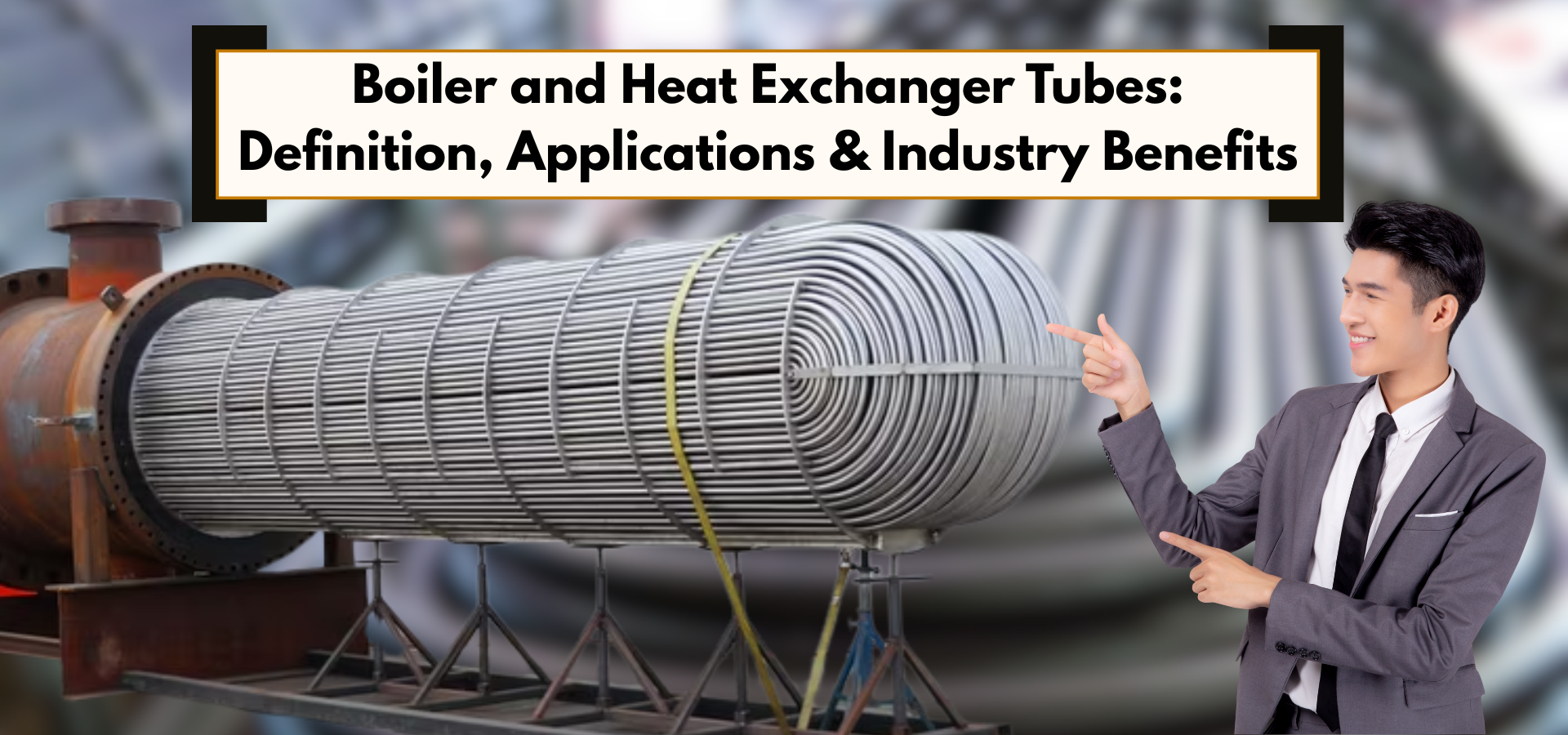
In modern industries where temperature control and heat transfer efficiency determine productivity, boiler and heat exchanger tubes quietly play a crucial role. From generating electricity in power plants to sterilizing products in pharmaceutical manufacturing, these specialized tubes are responsible for maintaining safe heat exchange and reliable industrial operations.
Although they often remain hidden inside large industrial systems, their performance directly affects energy efficiency, system reliability, and long-term operating costs.
In this guide, we’ll break down everything you need to know about boiler and heat exchanger tubes, including how they work, their key properties, major industrial applications, and how companies like South India Tubes help industries maintain high-performance thermal systems.
What are Boiler and Heat Exchanger Tubes?
Boiler and heat exchanger tubes are specialized metal tubes designed to transfer heat between fluids or gases under extreme temperatures and pressure conditions. They are commonly installed in boilers, condensers, heaters, and industrial heat exchangers.
These tubes allow heat to move efficiently between two mediums — for example, transferring heat from steam to water or from hot gases to industrial fluids.
Real-World Example
Imagine a thermal power plant generating electricity. Water is heated to produce steam, which spins turbines to generate power. Inside the boiler system, thousands of tubes carry water and steam while transferring heat efficiently.
If these tubes fail or lose efficiency, the entire plant’s productivity can drop significantly.
This is why industries rely on high-quality seamless boiler tubes and heat exchanger tubes to maintain safe and continuous operation.
Pro Tip
When selecting boiler or heat exchanger tubes, always prioritize material quality, corrosion resistance, and pressure rating to avoid costly downtime and maintenance.
Key Properties of Boiler and Heat Exchanger Tubes
To perform efficiently in demanding environments, these tubes must possess several critical properties. These characteristics ensure durability, safety, and consistent heat transfer performance.
1. High Thermal Conductivity
The primary purpose of these tubes is efficient heat transfer. Materials such as stainless steel, copper alloys, and carbon steel are commonly used because they allow heat to move quickly between fluids.
Efficient thermal conductivity results in:
- Faster heating and cooling processes
- Improved energy efficiency
- Reduced operational costs
Example
In chemical processing plants, precise temperature control is required during reactions. Heat exchanger tubes help maintain stable temperatures so chemical reactions occur safely and efficiently.
Pro Tip
Industries handling rapid heating cycles should choose materials with excellent thermal conductivity to optimize heat transfer efficiency.
2. Resistance to Extreme Temperatures
Industrial boilers and heat exchangers often operate at temperatures exceeding 500°C. Tubes used in these systems must maintain structural integrity even under such extreme heat.
High temperature resistance ensures:
- Safe steam generation
- Stable thermal operations
- Reduced risk of tube deformation
Example
In power plants, steam generation happens under extremely high temperatures and pressure. Only high-temperature resistant tubes can handle these conditions without failure.
Pro Tip
For high-temperature systems, consider alloy steel or stainless steel tubes, which maintain strength even at elevated temperatures.
3. Mechanical Strength and Durability
Industrial systems often operate under extreme pressure and mechanical stress. Boiler tubes must withstand:
- Internal pressure from steam or fluids
- External mechanical loads
- Thermal expansion and contraction
This is why seamless tubes are widely preferred. Their uniform structure eliminates weld seams, reducing weak points.
Example
In refinery operations where high-pressure steam lines are used, seamless heat exchanger tubes prevent leaks and structural failures.
Pro Tip
For high-pressure environments, choose seamless tubes instead of welded tubes to improve system reliability and longevity.
4. Corrosion and Oxidation Resistance
Industrial environments often contain corrosive chemicals, high humidity, and oxidation risks. Tubes must resist corrosion to maintain long-term performance.
Corrosion resistance helps:
- Prevent internal scaling
- Extend equipment lifespan
- Reduce maintenance costs
Example
Petrochemical plants handle aggressive chemicals that can quickly degrade low-quality materials. Corrosion-resistant tubes ensure continuous operations without unexpected failures.
Pro Tip
Use stainless steel or alloy steel tubes when working with corrosive chemicals or high-moisture environments.
5. Custom Manufacturing for Industrial Needs
Different industries require tubes with specific dimensions, materials, and thickness levels. Manufacturers often customize tubes based on operational requirements.
Customization allows:
- Compatibility with specific equipment
- Improved thermal efficiency
- Better operational safety
Pro Tip
Always work with manufacturers who offer custom tube fabrication based on your industry’s operating conditions.
Top Industrial Applications of Boiler and Heat Exchanger Tubes
Boiler and heat exchanger tubes support numerous industries where temperature control and heat transfer are critical.
Let’s explore where these tubes make the biggest impact.
1. Power Generation and Thermal Plants
Power plants rely heavily on boiler tubes and heat exchanger systems for steam production and energy generation.
These tubes are used in:
- Steam boilers
- Condensers
- Superheaters
- Economizers
Example
In coal or gas power plants, boiler tubes transfer heat from combustion gases to water, producing steam that drives turbines.
Pro Tip
Power plants should use high-strength alloy steel boiler tubes for better resistance to temperature fluctuations.
2. Petrochemical and Refining Industry
Petrochemical plants use heat exchanger tubes in equipment such as:
- Distillation columns
- Reboilers
- Condensers
- Process heaters
These tubes enable controlled heat exchange during chemical processing.
Example
During crude oil refining, heat exchanger tubes regulate temperatures between different refining stages to ensure efficient separation of petroleum products.
Pro Tip
Use corrosion-resistant stainless steel tubes when handling hydrocarbons or aggressive chemicals.
3. Food and Beverage Manufacturing
Food processing industries require strict hygiene and temperature control for processes like:
- Pasteurization
- Sterilization
- Brewing
- Dairy processing
Heat exchanger tubes ensure accurate temperature control while maintaining sanitation standards.
Example
In dairy processing plants, heat exchanger tubes pasteurize milk by heating and cooling it rapidly to eliminate harmful bacteria.
Pro Tip
Choose food-grade stainless steel tubes that comply with hygiene regulations and are easy to clean.
4. Pharmaceutical and Chemical Industries
Pharmaceutical manufacturing requires extreme purity and contamination control. Heat exchanger tubes help maintain sterile conditions during production.
These tubes support:
- Chemical reactions
- Solvent heating
- Process cooling
- Sterile fluid handling
Example
During drug manufacturing, controlled heating and cooling ensure product stability and effectiveness.
Pro Tip
Select tubes with smooth internal surfaces to prevent contamination and allow easy cleaning.
5. Steam and Industrial Boiler Systems
Industrial boilers power many operations including:
- Textile manufacturing
- Paper production
- Food processing
- Chemical plants
Boiler tubes ensure efficient steam generation and safe pressure handling.
Example
In paper mills, steam produced in boilers is used for drying paper sheets and running production machinery.
Pro Tip
Regular inspection of boiler tubes helps detect scaling or corrosion early, preventing costly breakdowns.
Why Choose South India Tubes?
Choosing the right manufacturer plays a major role in ensuring long-term reliability and performance of industrial tubes.
South India Tubes is recognized for supplying high-quality seamless tubes and industrial piping solutions that meet demanding industry standards.
Premium Material Quality for Boiler Tubes
South India Tubes ensures superior product integrity, strength, and corrosion resistance by using high-quality materials such as:
- Stainless steel
- Carbon steel
- Alloy steel
Each tube is designed to withstand the high temperatures and pressures encountered in industrial steam and boiler systems.
By sourcing raw materials from certified suppliers and following strict metallurgical standards, South India Tubes delivers consistent performance, longer service life, and minimal maintenance downtime for industries such as power plants, refineries, and chemical processing facilities.
Pro Tip
Always verify material certifications and metallurgical quality before purchasing industrial tubes.
Rigorous Quality Control and Testing
To meet strict international standards, every pipe supplied by South India Tubes undergoes multiple quality checks including:
- Eddy current inspection
- Hydrostatic testing
- Ultrasonic testing
- Mechanical strength testing
These procedures help detect surface and subsurface defects while ensuring dimensional accuracy and pressure resistance.
Pro Tip
Choose suppliers that follow comprehensive testing procedures to guarantee safety and reliability in industrial systems.
Custom Solutions for Industrial Requirements
Different industries require tubes with unique specifications. South India Tubes provides customized tubing solutions designed to meet specific operational requirements.
These solutions include:
- Custom material grades
- Special dimensions and thickness
- Surface finishing options
- Performance-based engineering
With extensive industry knowledge and a flexible supply chain, South India Tubes ensures that every solution improves efficiency, safety, and operational reliability.
Pro Tip
Custom-designed tubes often increase system efficiency and reduce long-term operational costs.
Certified Industry Standards
South India Tubes supplies products that comply with globally recognized standards such as:
- ASTM
- ASME
- DIN
- EN
- ISO
These certifications ensure that the tubes meet strict safety, quality, and performance benchmarks required by international industries.
Pro Tip
Always partner with suppliers who follow global industry standards to ensure long-term operational reliability.
Sustainable Manufacturing Approach
South India Tubes also emphasizes responsible industrial practices by supporting environmentally conscious manufacturing processes.
This includes:
- Energy-efficient production methods
- Responsible sourcing of raw materials
- Reduced industrial waste
- Environmentally compliant operations
Such practices help industries move toward sustainable and efficient industrial growth.
Conclusion
Boiler and heat exchanger tubes are the silent backbone of modern industrial heat transfer systems. Whether used in power plants, petrochemical refineries, pharmaceutical manufacturing, or food processing facilities, these tubes ensure safe and efficient thermal operations.
Understanding their properties, applications, and material requirements helps businesses choose the right solutions for long-term performance.
By working with reliable suppliers like South India Tubes, industries can benefit from:
- Higher heat transfer efficiency
- Reduced operational downtime
- Enhanced safety and durability
- Long-lasting industrial performance
In today’s competitive industrial landscape, investing in high-quality boiler and heat exchanger tubes is not just a technical decision — it is a strategic step toward operational excellence.


